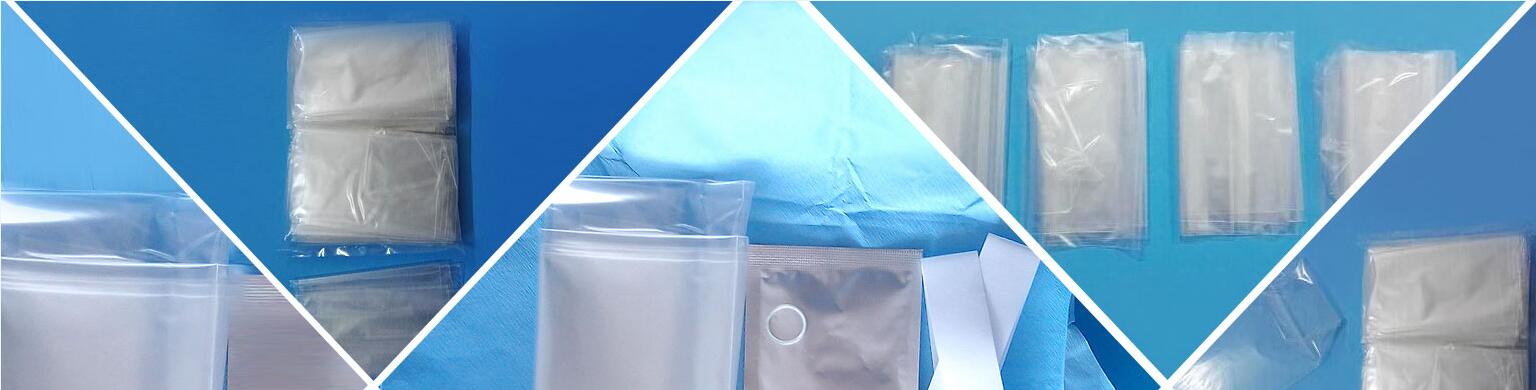
The selection of appropriate ultrasound probe covers is governed by the intersection of regulatory requirements, professional society guidelines, and institutional infection prevention policies. This comprehensive clinical guide integrates recommendations from AAMI ST91:2021 (Flexible and semi-rigid endoscope processing in health care facilities, updated to include ultrasound transducers), the Spaulding classification system, and evidence from clinical outcomes research.
The Spaulding classification defines any medical device contacting sterile tissue or the vascular system as "critical," requiring sterilization. Ultrasound transducers used for invasive procedures fall into this category when they contact sterile body cavities, tissues, or the bloodstream. Sterile probe covers provide the necessary sterile barrier between the transducer (which cannot be terminally sterilized) and the sterile field.
A 2020 multicenter prospective study involving 1,247 ultrasound-guided procedures found that protocolized sterile cover use reduced post-procedural infection rates from 1.8% (historical control, mixed cover use) to 0.2% (intervention, universal sterile cover use for invasive procedures), representing an 89% relative risk reduction (p<0.001). The number needed to treat (NNT) to prevent one infection was 63 procedures.
Non-sterile covers are clinically appropriate for external ultrasound examinations on intact skin, consistent with the non-critical device classification per Spaulding. These applications include: abdominal and pelvic ultrasound, obstetric ultrasound (transabdominal), vascular duplex ultrasonography, thyroid and neck imaging, breast ultrasound, musculoskeletal ultrasound, and pulmonary ultrasound (pleural assessment).
Despite not requiring terminal sterilization, non-sterile covers must demonstrate effective barrier performance: viral penetration resistance per ASTM F1671 (no penetration of Phi-X174 bacteriophage at 2 psi pressure challenge), tensile strength sufficient to prevent tearing during routine clinical manipulation, and absence of cytotoxic leachables per ISO 10993-5.
Healthcare facility adoption of latex-safe policies is supported by: documented prevalence of NRL allergy in patient and healthcare worker populations, availability of synthetic alternatives with equivalent or superior performance characteristics, reduced institutional liability exposure, and alignment with international regulatory trends including EU MDR, FDA guidance, and Joint Commission recommendations.
Polyurethane offers the best combination of elasticity (400-600% elongation), acoustic transparency (attenuation <0.5 dB/cm at 3-12 MHz), and tear resistance for most clinical applications. Polyethylene provides a cost-effective alternative for routine external imaging where lower elasticity is acceptable. Both materials eliminate Type I hypersensitivity risk and are compatible with all standard ultrasound coupling gels.
Healthcare facilities should maintain a rational probe cover formulary supporting: sterile covers for all critical/semi-critical applications, non-sterile covers for non-critical external examinations, latex-free as the institutional default across all categories, and endocavity-specific covers for internal examinations. Linmed Medical supports institutional implementation with complete product line solutions, regulatory documentation packages, compatibility testing data, and clinical education resources aligned with current professional practice guidelines.