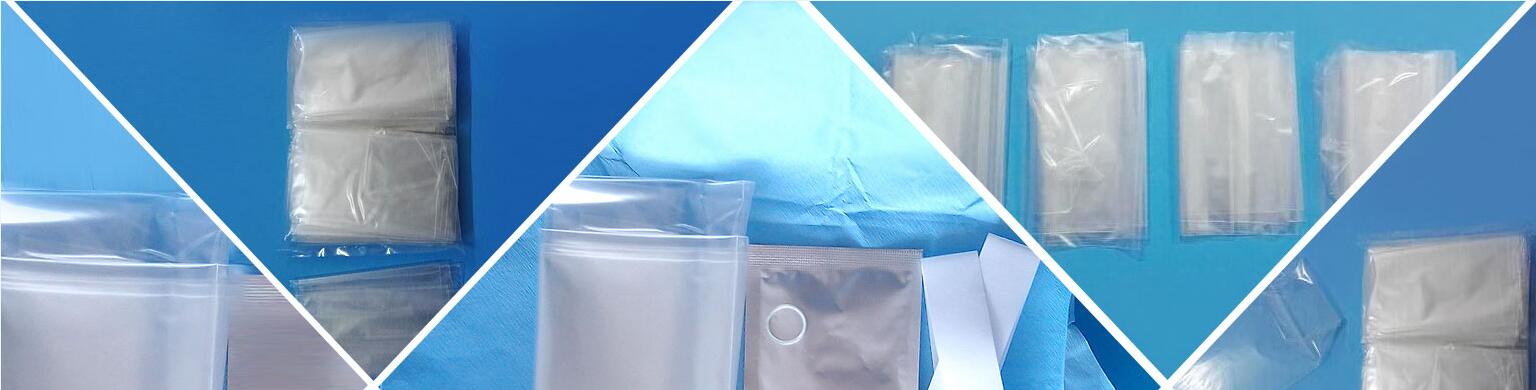
The global healthcare industry has been systematically transitioning away from natural rubber latex (NRL) products since the FDA issued its 1997 allergen labeling rule. According to the American Academy of Allergy, Asthma & Immunology (AAAAI), NRL allergy prevalence is approximately 1-6% in the general population, 8-12% among healthcare workers, and up to 68% in spina bifida patients with repeated surgical exposure. The estimated annual cost of latex allergy management in the US healthcare system exceeds $1 billion when accounting for alternative product procurement, diagnostic testing, and worker productivity losses.
| Property | Natural Rubber Latex | Polyurethane (Latex-Free) | Polyethylene (Latex-Free) |
|---|---|---|---|
| Elongation at break | 700-800% | 400-600% | 200-300% |
| Tensile strength | 20-30 MPa | 25-40 MPa | 10-15 MPa |
| Acoustic attenuation (3-12 MHz) | <0.3 dB/cm | <0.5 dB/cm | <0.8 dB/cm |
| Allergen protein content | Present (Hev b 1-14) | None | None |
| Powder content | Variable (donning powder) | Powder-free | Powder-free |
| Barrier failure rate (in use) | 2-5% | 1-3% | 3-6% |
Latex proteins (Hev b 1 through Hev b 14 allergens) can trigger IgE-mediated reactions ranging from contact urticaria to life-threatening anaphylaxis. Even "hypoallergenic" latex products with reduced protein content are not completely safe for sensitized individuals. A 2018 meta-analysis in The Journal of Allergy and Clinical Immunology reported that 23% of anaphylaxis cases in surgical settings were latex-related before widespread adoption of latex-free protocols.
Polyurethane covers demonstrate equivalent or superior acoustic properties to latex at clinically relevant frequencies. A controlled benchtop study using tissue-mimicking phantoms found no statistically significant difference (p>0.05) in spatial resolution or contrast-to-noise ratio between latex and polyurethane covers at 3-10 MHz frequencies commonly used in diagnostic ultrasound.
The Joint Commission recommends latex-safe environments for all accredited healthcare facilities. The NHS (UK) mandated latex-free procurement for all examination gloves and barrier products in 2008, resulting in a 75% reduction in new latex sensitization cases among healthcare workers. Similar policies from ECRI Institute, OSHA, and NIOSH guide US institutional transitions. Both EU MDR 2017/745 and FDA guidance documents emphasize latex allergen labeling and encourage latex-free alternatives where clinically appropriate.
For healthcare facilities, the evidence strongly supports transitioning to latex-free probe covers as the default option. Latex covers should be reserved for specific applications where their unique elasticity properties are clinically necessary AND the patient has documented absence of latex sensitivity. Facilities maintaining dual inventory must implement rigorous latex allergy screening protocols per AAAAI practice parameters. Linmed Medical offers a complete portfolio of latex-free polyurethane probe covers meeting all international regulatory standards with full documentation packages for institutional procurement verification.