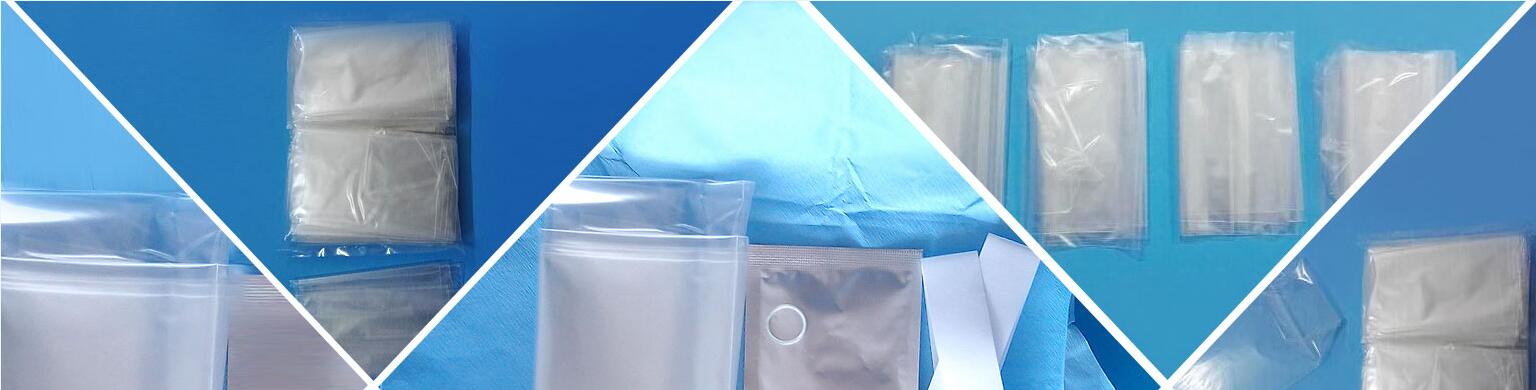
Selecting the optimal ultrasound probe cover requires integration of clinical risk assessment, regulatory compliance requirements, and evidence-based practice guidelines. A 2021 systematic review in the Journal of Ultrasound in Medicine identified cover selection errors as a contributing factor in 8.3% of ultrasound-related infection control breaches across 47 surveyed facilities. This guide provides a structured decision framework based on current professional society guidelines including AAMI ST91:2021, AIUM practice parameters, and CDC infection prevention recommendations.
Spaulding Critical (penetrates sterile tissue): Ultrasound-guided biopsy, aspiration, injection into sterile cavities, intraoperative imaging → Sterile cover mandatory, SAL 10⁻⁶, single-use only.
Spaulding Semi-Critical (contacts mucous membranes or non-intact skin): Transvaginal, transrectal, TEE, imaging over open wounds or surgical sites → Sterile cover strongly recommended with supporting high-level disinfection. Single-use only.
Spaulding Non-Critical (contacts intact skin only): Abdominal, vascular, MSK, thyroid/breast imaging → Non-sterile cover acceptable. Single-use recommended; if reprocessing is considered, must follow validated protocol.
| Organization | Guideline | Recommendation Level |
|---|---|---|
| AAMI ST91:2021 | Sterile cover for all endocavity and invasive procedures | Mandatory (Category IA) |
| AIUM | Single-use barrier for all procedures; sterile for invasive | Strong recommendation |
| CDC/HICPAC | Cover use consistent with Spaulding classification | Category IB |
| SHEA/APIC | Single-use cover + HLD for semi-critical transducers | Strong recommendation |
| WFUMB | Single-use sterile cover for all interventional ultrasound | Consensus guideline |
Institutional policies should document: (1) a standardized probe cover selection algorithm, (2) latex allergy screening procedures, (3) equipment-compatibility verification process, and (4) competency validation requirements for clinical staff. Quarterly audits of cover utilization and infection surveillance data provide quality assurance feedback for protocol refinement. Linmed Medical supports institutional implementation with product selection consulting, compatibility testing documentation, and staff education materials.