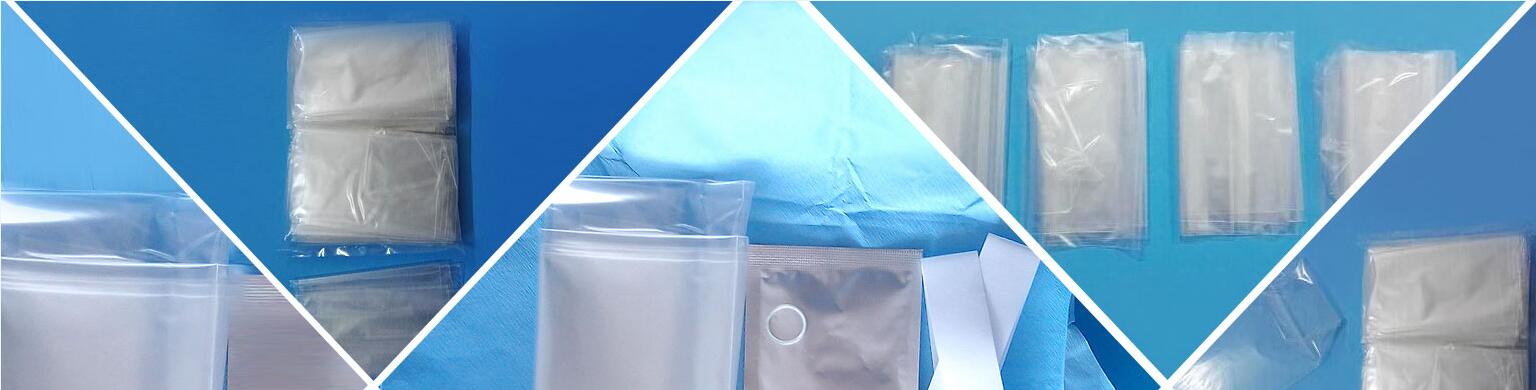
Ultrasound probe cover material selection represents a critical engineering decision balancing mechanical performance, acoustic transparency, biocompatibility, and manufacturing economics. Modern probe covers employ advanced polymer technologies achieving the competing requirements of thin-wall construction (typically 0.03-0.08 mm), high elasticity, robust tear resistance, and minimal acoustic interference. Understanding material properties enables informed clinical procurement decisions.
Composition: cis-1,4-polyisoprene derived from Hevea brasiliensis sap, compounded with vulcanizing agents, accelerators, and antioxidants. Contains naturally occurring proteins (Hev b 1-14 allergens) responsible for Type I hypersensitivity reactions.
Mechanical Properties: Tensile strength 20-30 MPa, elongation at break 700-800%, excellent tear resistance (trouser tear >25 N/mm). Offers superior conformability to complex transducer geometries.
Acoustic Properties: Acoustic impedance approximately 1.6 MRayl, closely matching soft tissue (1.5-1.7 MRayl) for minimal reflection artifacts. Attenuation coefficient <0.3 dB/cm at diagnostic frequencies (2-12 MHz).
Biocompatibility: Conforms to ISO 10993-5 (non-cytotoxic) and ISO 10993-10 (non-irritating) when adequately processed. However, residual extractable proteins may trigger allergic responses in sensitized individuals. Protein content must be <200 µg/g per ASTM D5712 for low-protein designation, though even low-protein latex can trigger reactions in highly sensitized patients.
Clinical Status: Declining utilization due to latex-safe healthcare initiatives. Remaining applications limited to facilities with latex allergy screening programs and specific clinical indications requiring superior elasticity.
Composition: Synthetic thermoplastic or thermoset polyurethane produced from diisocyanate and polyol precursors. Completely free of natural rubber latex proteins.
Mechanical Properties: Tensile strength 25-40 MPa (comparable or superior to latex), elongation at break 400-600%. Excellent abrasion resistance and puncture resistance. Maintains elasticity over temperature range of 0-45°C.
Acoustic Properties: Acoustic impedance approximately 1.7 MRayl, well-matched to soft tissue. Attenuation coefficient <0.5 dB/cm at 2-12 MHz — clinically negligible for routine diagnostic imaging. Studies demonstrate equivalent image quality to uncovered transducers at frequencies up to 15 MHz.
Biocompatibility: Conforms to ISO 10993-5 (non-cytotoxic), ISO 10993-10 (non-sensitizing, non-irritating), and ISO 10993-11 (no systemic toxicity). Zero Type I hypersensitivity risk. Preferred material for latex-safe healthcare environments.
Clinical Status: Increasingly the preferred material for universal probe cover formularies. Provides optimal balance of performance, safety, and regulatory compliance for modern healthcare facilities.
Composition: Low-density polyethylene, a thermoplastic olefin polymer. Completely synthetic, free of NRL proteins.
Mechanical Properties: Tensile strength 10-15 MPa, elongation at break 200-300%. Lower elasticity than PU or NRL — less conformable to complex probe geometries. Adequate for routine external imaging applications.
Acoustic Properties: Acoustic impedance approximately 1.8 MRayl. Attenuation coefficient <0.8 dB/cm at diagnostic frequencies — clinically acceptable for standard B-mode imaging.
Biocompatibility: Conforms to ISO 10993-5 and ISO 10993-10. Zero allergenicity. Cost-effective material for high-volume clinical applications.
Clinical Status: Suitable for cost-sensitive, high-volume clinical environments performing routine external ultrasound examinations. Less appropriate for critical procedures requiring superior conformability and acoustic performance.
Some manufacturers employ multi-layer constructions combining different polymer properties: an inner layer optimized for low friction and easy donning, a middle layer providing mechanical strength, and an outer layer with optimized surface properties. These constructions can enhance overall performance but increase manufacturing complexity and cost.
Emerging technologies incorporate antimicrobial agents (e.g., silver ions, chlorhexidine) into cover materials. While promising for additional infection prevention, current evidence for clinical benefit is limited. Regulatory agencies require demonstration that antimicrobial additives do not compromise mechanical or acoustic properties and do not present cytotoxicity concerns.
Recommendation: For most healthcare facilities, polyurethane is the optimal default material choice. It eliminates latex allergy risk, provides mechanical and acoustic performance equivalent or superior to NRL, meets all international biocompatibility standards, and aligns with latex-safe healthcare initiatives. Polyethylene offers a cost-effective complement for routine external imaging. NRL covers, if maintained in formulary, should be restricted to specific clinical indications with documented patient latex screening and institutional approval. Linmed Medical manufactures probe covers in polyurethane and polyethylene across sterile and non-sterile product lines, with full material certification documentation supporting institutional procurement decisions.