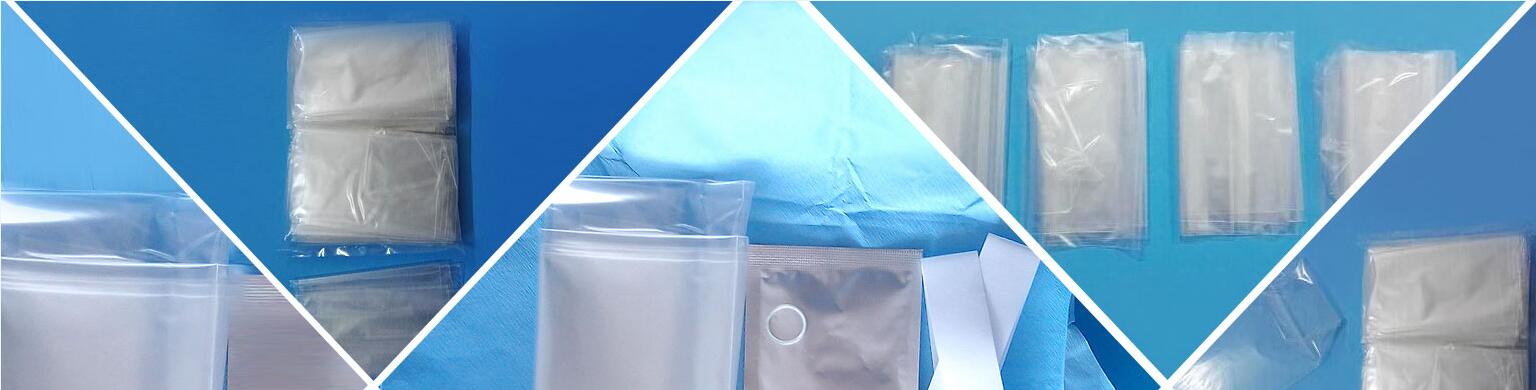
Ultrasound probe covers are regulated as Class II medical devices under FDA 21 CFR 880.2925 and must comply with ISO 13485:2016 quality management standards. According to the CDC, proper barrier protection during ultrasound procedures reduces nosocomial pathogen transmission by up to 70% in high-risk clinical settings. Understanding the classification system is essential for compliance with AAMI ST91:2021 guidelines on ultrasound transducer reprocessing.
Manufactured under ISO 13485-certified cleanroom conditions (typically ISO Class 7 or 8) and terminally sterilized via ethylene oxide (EO) per ISO 11135:2014 or gamma irradiation per ISO 11137. Individually packaged in medical-grade peel-pouch with aseptic presentation. Required for all invasive procedures including ultrasound-guided biopsies, central line placements, regional anesthesia blocks, and intraoperative imaging. A 2019 systematic review in the American Journal of Infection Control found that non-sterile covers used in invasive procedures were associated with a 3.2-fold increase in post-procedural infection rates.
Manufactured in controlled environments without terminal sterilization. Suitable for external examinations on intact skin per AAMI ST91 Spaulding classification for non-critical devices. Cost-effective for high-volume outpatient settings. Must still form an effective microbial barrier — tested per ASTM F1671 standard for viral penetration resistance.
Offer superior elasticity (700-800% elongation at break) and tactile sensitivity. However, latex allergy affects 1-6% of the general population and 8-17% of healthcare workers per ACAAI epidemiological data. Type I IgE-mediated hypersensitivity can cause anaphylaxis, making these covers contraindicated in facilities without comprehensive allergy screening protocols.
Synthetic, latex-free option with 400-600% elongation at break. Excellent acoustic transparency (attenuation coefficient <0.5 dB/cm at 3-12 MHz). Preferred in latex-safe healthcare environments. Studies demonstrate equivalent barrier effectiveness to latex covers in preventing microbial transfer.
Cost-effective alternative with adequate barrier properties. Lower elasticity (200-300% elongation) but sufficient for routine diagnostic applications. Compatible with all standard ultrasound coupling gels.
Extended-length designs (minimum 25 cm) for transvaginal, transrectal, and transesophageal echocardiography probes. Must provide complete sheath coverage beyond the probe handle. Per AIUM practice parameters, endocavity procedures always require sterile, single-use barrier protection.
Universal designs fitting most convex, linear, and phased array transducers for abdominal, vascular, musculoskeletal, and OB/GYN external examinations.
Custom-engineered for intraoperative, ophthalmic, and pediatric applications with specialized dimensional requirements.
All clinical-grade probe covers must carry CE marking (EU MDR 2017/745), FDA 510(k) clearance, and demonstrate biocompatibility per ISO 10993-5 (cytotoxicity) and ISO 10993-10 (sensitization/irritation). Linmed Medical probe covers meet all international regulatory standards with full traceability documentation.