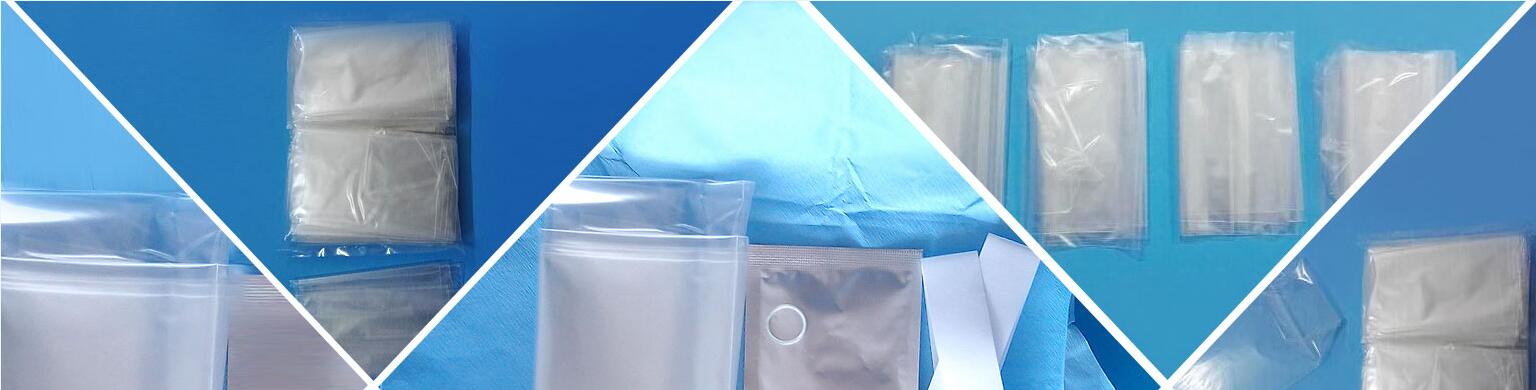
Fixation dressings serve dual functions in vascular access management: providing an occlusive barrier against microbial contamination and mechanically securing the catheter against dislodgement. Failure in either function constitutes a patient safety event. INS 2021 Standards define catheter securement failure as: complete dislodgement (catheter exits vein), partial dislodgement (catheter migrates but remains partially in vein), or dressing failure (dressing loses occlusive seal). The aggregate failure rate across all vascular access devices is estimated at 25-40%, representing a substantial and largely preventable cause of healthcare resource utilization and patient harm.
Key Features: Polyurethane or polyethylene film, MVTR >800 g/m²/24h, transparent for site visualization, waterproof for showering, available in multiple sizes (6×7 cm for PIV, 10×12 cm for CVC). Sterile, individually packaged.
Clinical Indications: Primary dressing for all short-term and medium-term vascular access devices. Compatible with adjunctive SSDs and CHG-impregnated gel discs (Biopatch-type).
Key Features: Absorbent non-woven pad with adhesive border, MVTR moderate (300-500 g/m²/24h), opaque, for moderate exudate or bleeding at insertion site.
Clinical Indications: Initial post-insertion dressing when oozing is present (first 24h). Transition to transparent dressing once hemostasis is achieved. Also used for sites with anticipated drainage.
Key Features: Foam pad with silicone adhesive border, excellent exudate management, gentle adhesion, atraumatic removal. Premium cost.
Clinical Indications: Fragile or compromised skin; prolonged catheter dwell (>7 days); sites with moderate exudate; pediatric and geriatric populations; patients with documented adhesive sensitivity.
Key Features: Polyethylene film, complete moisture barrier (MVTR near zero), strong adhesive, transparent or opaque versions.
Clinical Indications: Shower/bath protection over primary dressing; short-term securement in moist environments; protective covering for non-vascular devices (drains, external fixator pins).
Key performance indicators for fixation dressing programs: (1) Dressing integrity rate (>95% dressings intact at scheduled assessment), (2) Catheter dislodgement rate (<2% unplanned dislodgements), (3) Phlebitis rate (<5% per INS benchmarks), (4) Dressing change compliance (>90% within recommended interval), (5) MARSI incidence (<3% of dressing episodes). Regular audit cycle (monthly or quarterly) with feedback to clinical units drives continuous improvement. Linmed Medical fixation dressings are accompanied by clinical application guides, product selection algorithms, and staff education resources supporting optimal clinical outcomes.