Peripheral intravenous (PIV) catheter securement is not merely a matter of convenience — it directly affects patient safety outcomes including catheter failure rates, phlebitis incidence, and catheter-related bloodstream infection (CRBSI) risk. According to the Infusion Nurses Society (INS) 2021 Infusion Therapy Standards of Practice, PIV catheter failure rates range from 35-50% before intended completion of therapy, with inadequate securement identified as a contributing factor in 18-24% of premature failures. The estimated cost of PIV replacement is $28-35 per catheter (materials + nursing time), with aggregate US healthcare costs exceeding $4 billion annually for unnecessary catheter replacements.
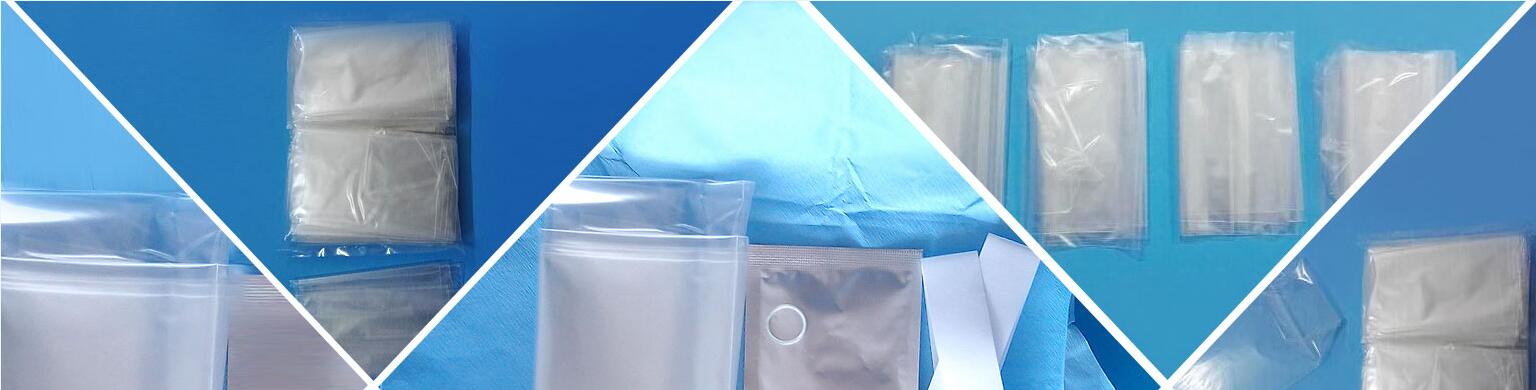
Design: Polyurethane film dressing with moisture vapor transmission rate (MVTR) >800 g/m²/24h and acrylic or silicone adhesive border. Transparent for insertion site visualization without removal.
Evidence: CDC 2017 Guidelines for Prevention of Intravascular Catheter-Related Infections (Category IA recommendation): Transparent dressings changed every 5-7 days provide equivalent infection risk to gauze dressings changed every 2 days, with advantage of site visualization reducing unnecessary manipulation. A 2019 Cochrane review (22 studies, 7,438 catheters) found no significant difference in CRBSI rates between TSM and gauze dressings (RR 0.98, 95% CI 0.74-1.30).
Application Protocol: Center dressing over insertion site, smooth from center outward avoiding wrinkles (wrinkles create channels for bacterial migration), ensure complete seal around catheter hub. Do not stretch dressing — tension creates shear forces on skin and may cause MARSI upon removal.
Design: Nylon or polypropylene suture through catheter wings/hub, tied to skin.
Evidence: Historically the "gold standard" for central venous catheters, now largely replaced by sutureless securement devices (SSDs). Sutures create needle-stick injury risk (estimated 2-3% per catheter placement), skin puncture sites as portals for infection, and require removal at catheter exchange/removal. INS 2021 Standards recommend SSDs over sutures for central lines.
Current Role: Limited to specific applications where SSDs are contraindicated or unavailable. Should not be used for routine PIV securement.
Design: Adhesive anchor devices that grip the catheter hub without penetrating skin. Multiple designs: adhesive anchors with integrated catheter clips, subcutaneous anchoring systems (for longer-term catheters), integrated securement dressings combining TSM with catheter stabilization.
Evidence: A 2020 systematic review in Journal of Infusion Nursing (14 studies, 3,212 catheters) found SSDs reduced catheter dislodgement by 45% (RR 0.55, 95% CI 0.41-0.74) and CRBSI by 40% (RR 0.60, 95% CI 0.41-0.88) compared to suture-only securement. INS and CDC guidelines now recommend SSDs as first-line securement for all vascular access devices.
Design: Medical-grade cyanoacrylate (n-butyl or octyl) applied as liquid to catheter-skin junction, polymerizing on contact with moisture to form strong flexible bond.
Evidence: Emerging evidence from RCTs shows cyanoacrylate reduces catheter failure by 25-30% and phlebitis by 15-20% compared to standard dressing alone. Mechanism includes: enhanced mechanical fixation, antimicrobial barrier effect, and sealing of catheter-skin junction to prevent bacterial migration. INS 2021 conditionally recommends cyanoacrylate as adjunctive securement.
Neonates/Pediatrics: Use silicone-based dressings to minimize epidermal stripping. Consider limb splinting to prevent accidental dislodgement. INS neonatal recommendations specify gentle adhesives and frequent assessment due to immature skin barrier.
Elderly/Fragile Skin: Apply skin barrier film before adhesive dressing. Use silicone-based adhesives where available. Minimize dressing changes (extend to 7 days when clinically appropriate). Use adhesive remover for atraumatic dressing removal.
Diaphoretic/Febrile Patients: Consider reinforced dressing with additional border tape. More frequent assessment indicated — moisture reduces adhesive integrity.
Linmed Medical provides a complete portfolio of IV securement products including transparent film dressings, non-woven fixation dressings, PE waterproof dressings, and silicone foam fixation dressings — all CE certified, ISO 13485:2016 compliant, with full biocompatibility testing documentation.