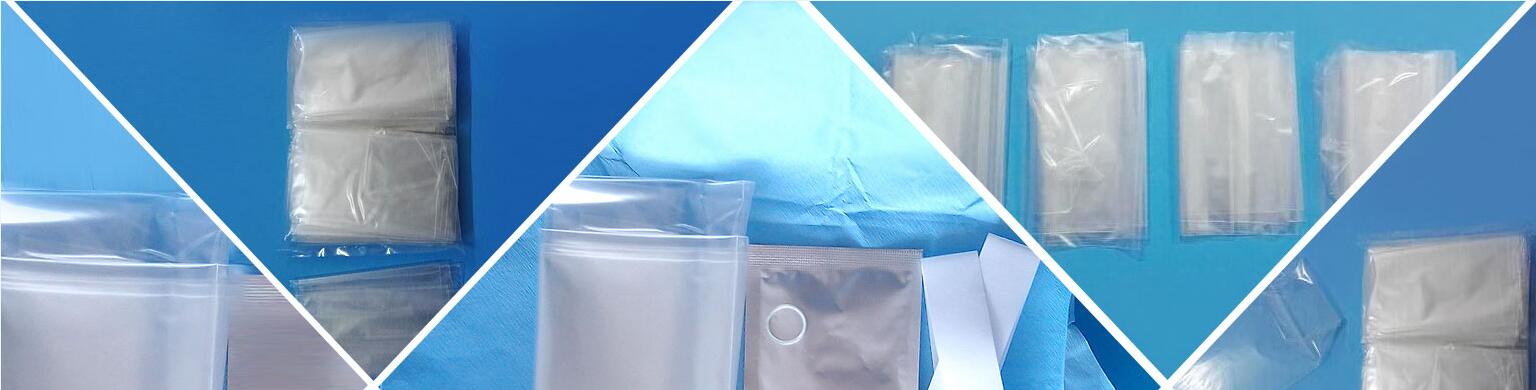
Wound management has transformed dramatically from the "dry wound healing" paradigm of the mid-20th century to modern moisture-retentive wound care. The seminal work of Dr. George Winter (1962) demonstrated that moist wounds epithelialize twice as fast as dry wounds, establishing the physiological basis for advanced wound dressings. Today, the global advanced wound care market exceeds $12 billion annually, reflecting the clinical recognition that appropriate dressing selection directly affects healing time, complication rates, and healthcare costs. Chronic wounds affect approximately 2% of the population in developed countries, with diabetic foot ulcers, venous leg ulcers, and pressure injuries representing the predominant categories. The annual cost of chronic wound care in the US healthcare system is estimated at $25-50 billion.
Gauze (Woven Cotton): The simplest wound dressing. Provides absorption and mechanical protection but adheres to wound bed, causing pain and tissue disruption during dressing changes. No moisture retention. Appropriate only for clean, dry, sutured wounds and as secondary dressings.
Non-Adherent Dressings: Impregnated with petrolatum, silicone, or low-adherent coating to prevent wound bed adherence. Suitable for superficial wounds, skin tears, and graft donor sites. Requires secondary dressing for securement and absorption.
Non-Woven Dressings: Synthetic fiber construction providing absorbency and cushioning. Less adherent than gauze, more conformable. Includes absorbent pads with adhesive borders for self-application. Widely used for post-surgical wounds with low to moderate exudate.
Design: Polyurethane foam (hydrophilic or hydrophobic) with absorptive capacity of 10-30× dressing weight. Available as sheets, cavity fillers, and bordered (adhesive) formats.
Mechanism: Absorbs exudate into foam structure through capillary action, maintaining moist wound surface without maceration. Provides thermal insulation (critical for cellular metabolism — wounds heal 20% faster at normothermia).
Evidence: Foam dressings are the most frequently used advanced dressing type globally. Systematic reviews demonstrate superiority over gauze for venous leg ulcers (reduced healing time by 25-40%) and pressure injuries (reduced incidence when used prophylactically on sacrum/heels per NPIAP guidelines).
Indications: Moderate to heavily exuding wounds — pressure injuries (Stage II-IV), venous leg ulcers, arterial ulcers, diabetic foot ulcers, surgical wounds with drainage, donor sites.
Contraindications: Dry wounds or wounds with minimal exudate (foam adheres to dry wound bed). Infected wounds without concurrent antimicrobial therapy.
Design: Self-adhesive wafers containing gelatin, pectin, and carboxymethylcellulose. Impermeable to water and bacteria.
Mechanism: Absorb exudate, forming a gel-like mass that maintains moist wound environment. Autolytic debridement through moisture retention. Occlusive barrier prevents external contamination.
Evidence: Effective for light to moderately exuding wounds. Cochrane review found hydrocolloids comparable to foam dressings for pressure ulcer healing but with higher leakage rates in heavily exuding wounds. Cost-effective due to extended wear time (3-7 days between changes).
Indications: Low to moderate exudate wounds — superficial pressure injuries (Stage II), minor burns, abrasions, donor sites. Prophylactic use for friction/shear reduction on at-risk skin.
Contraindications: Infected wounds (occlusive environment may promote bacterial proliferation). Heavily exuding wounds. Wounds requiring frequent inspection. Fragile periwound skin (aggressive adhesive).
Design: Water or glycerin-based gels (70-90% water content) in amorphous (tube), sheet, or impregnated gauze formats.
Mechanism: Donates moisture to dry wound bed, promoting autolytic debridement and maintaining moist healing environment. Cooling effect provides analgesia.
Evidence: Best evidence for autolytic debridement of dry, necrotic, or sloughy wounds. Reduces debridement pain compared to mechanical methods. Requires secondary dressing.
Indications: Dry or minimally exuding wounds, necrotic/eschar-covered wounds requiring debridement, painful wounds, radiation dermatitis, partial-thickness burns.
Contraindications: Heavily exuding wounds (moisture overload causes maceration). Infected wounds without concurrent antimicrobial therapy.
Design: Calcium alginate (from seaweed) or sodium carboxymethylcellulose (Hydrofiber). Rope/ribbon or sheet formats for cavity filling.
Mechanism: Ion exchange — calcium from dressing exchanges with sodium from wound exudate, forming a gel that conforms to wound bed and absorbs 15-20× weight in exudate. Haemostatic properties (calcium activates clotting cascade).
Evidence: Excellent for heavily exuding and hemorrhagic wounds. Vertical wicking prevents periwound maceration. Systematic reviews support use for cavity wounds, tunneling, and undermining. Hydrofiber (Aquacel-type) dressings show superior fluid retention and less lateral wicking compared to alginates.
Indications: Heavily exuding wounds, cavity/sinus/tunnel wounds, bleeding wounds, infected wounds (combined with antimicrobial), surgical wounds with heavy drainage.
Contraindications: Dry wounds (dressing desiccates and adheres). Superficial wounds with minimal exudate. Third-degree burns (requires specialist management).
Design: Dressings incorporating silver ions (ionic or nanocrystalline), iodine (cadexomer), polyhexamethylene biguanide (PHMB), or medical-grade honey.
Mechanism: Broad-spectrum antimicrobial activity against bacteria (including MRSA, VRE), fungi, and biofilm. Silver disrupts bacterial cell membrane, denatures proteins, and interferes with DNA replication. PHMB binds to and disrupts bacterial cell membranes.
Evidence: Moderate-quality evidence supporting silver dressings for infected wounds and wounds at high infection risk. Cochrane review found silver dressings reduce wound size and improve healing in infected chronic wounds compared to non-antimicrobial dressings but did not demonstrate superiority for non-infected wounds. IWGDF (International Working Group on the Diabetic Foot) recommends silver dressings for infected diabetic foot ulcers with heavy exudate.
Indications: Clinically infected wounds (systemic antibiotics + topical antimicrobial), critically colonized wounds (increased bioburden without overt infection), wounds at high infection risk (burns, immunocompromised patients).
Contraindications: Clean, non-infected, healing wounds (no benefit, potential cytotoxicity to fibroblasts at high concentrations). Known sensitivity to silver or iodine. Prolonged use without reassessment (silver resistance is rare but documented).
| Wound Characteristic | Primary Dressing | Secondary Option |
|---|---|---|
| Dry, necrotic, eschar | Hydrogel (rehydrate + autolytic debridement) | Hydrocolloid |
| Low exudate, granulating | Hydrocolloid or thin foam | Non-adherent + secondary dressing |
| Moderate exudate | Foam (sheet or bordered) | Alginate + secondary foam |
| Heavy exudate | Alginate/Hydrofiber + foam secondary | Super-absorbent polymer dressing |
| Cavity, tunneling, undermining | Alginate/Hydrofiber rope | Foam cavity filler |
| Infected / critically colonized | Silver/iodine/PHMB antimicrobial dressing | Medical-grade honey + absorbent secondary |
| Painful wound | Hydrogel or silicone foam (atraumatic) | Soft silicone contact layer + foam |
| Fragile periwound skin | Silicone-bordered foam | Hydrogel sheet + gentle fixation |
| Epithelializing (healing) | Thin hydrocolloid or film | Non-adherent + minimal fixation |
Linmed Medical manufactures a comprehensive range of wound dressings including non-woven, foam, hydrocolloid, waterproof, and silicone foam products — all CE certified under EU MDR 2017/745, manufactured in ISO 13485:2016 certified facilities, with full biocompatibility testing per ISO 10993 standards.