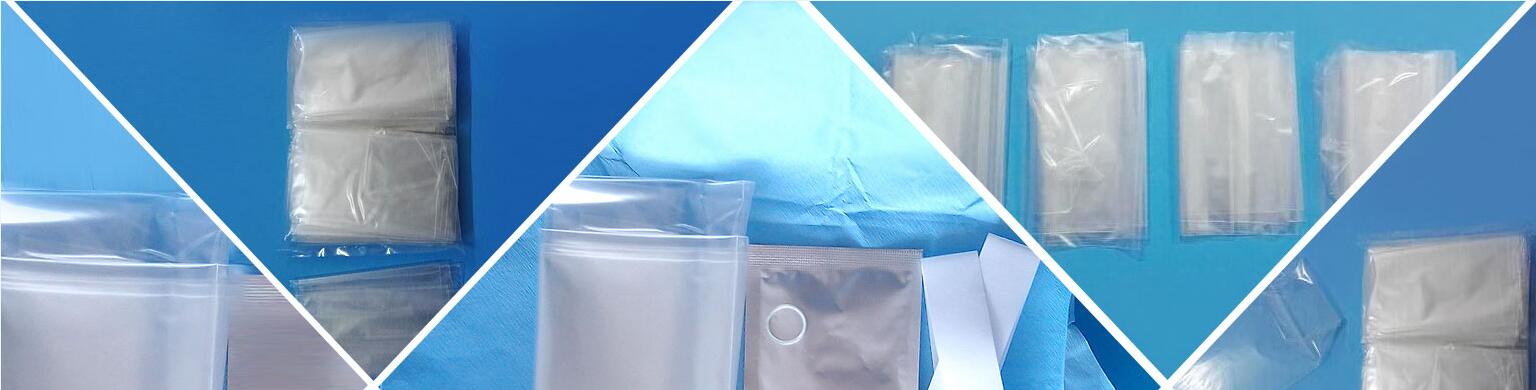
Surgical eye pads come in two main categories: adhesive (self-adhering) and non-adhesive (requires tape fixation). Each has specific clinical indications, advantages, and limitations.
| Feature | Adhesive Eye Pad | Non-Adhesive Eye Pad |
|---|---|---|
| Application | Peel-and-stick — self-adhesive border | Placed over eye, secured with surgical tape strips |
| Occlusiveness | Better light-blocking and moisture barrier | Variable — depends on tape technique |
| Skin Compatibility | Adhesive may irritate sensitive or fragile skin | Gentler — tape used only at edges, not on eyelid |
| Application Ease | Easier, faster — one-step application | Requires more skill — pad + multiple tape strips |
| Removal | Single unit removal; adhesive may pull on skin/eyelashes | Pad lifts off separately from tape; more controlled removal |
| Ointment Compatibility | Adhesive border may not adhere well if ointment contacts skin | Tape applied to dry skin away from ointment; better seal |
| Cost | Moderate (~$0.50-1.00/pad) | Lower (~$0.10-0.30/pad) + tape cost |
Adhesive Eye Pad:
Non-Adhesive Eye Pad:
Silicone-backed eye pads combine the ease of adhesive pads with gentler removal. The silicone adhesive bonds through surface contact rather than chemical bonding, causing minimal skin trauma. Recommended for patients requiring repeated pad changes (multiple surgeries, prolonged treatment). Cost is 2-3x standard adhesive pads but justified for high-risk skin patients.
References: AAO Preferred Practice Pattern, 2020. ISTAP Skin Tear Prevention Guidelines, 2018. Royal College of Ophthalmologists Ophthalmic Nursing Guidelines, 2020.