Cataract surgery is the most frequently performed surgical procedure worldwide, with approximately 28 million procedures annually per WHO global estimates. Post-operative eye pad management is a critical component of surgical recovery that directly affects patient comfort, protection of the operative site, and prevention of complications. This guide integrates clinical evidence with practical patient education recommendations suitable for both healthcare professional reference and informed patient counseling.
The corneal incision created during phacoemulsification (typically 2.2-2.75 mm) is self-sealing due to its tunnel construction, but it remains vulnerable to mechanical disruption for the initial post-operative period. Inadvertent eye rubbing — which occurs reflexively in response to the foreign-body sensation caused by corneal sutures (if used) and ocular surface disruption — can introduce bacteria, disrupt wound integrity, and potentially cause iris prolapse or wound leak. The eye pad functions as a physical barrier preventing finger-to-eye contact during this critical period.
Post-operative intraocular inflammation causes photophobia (light sensitivity) in approximately 80% of cataract surgery patients. The eye pad provides darkness, reducing ciliary spasm and discomfort. Additionally, maintaining eyelid closure (with gentle pad pressure) prevents corneal exposure and drying — particularly important since post-operative topical anesthesia temporarily reduces the blink reflex.
Post-operative lacrimation is common due to ocular surface irritation from povidone-iodine preparation, surgical manipulation, and instilled medications. The absorbent pad material wicks away tears, preventing maceration of periocular skin and maintaining patient comfort.
Patients should be educated to recognize and report: (1) Increasing pain not relieved by acetaminophen (not aspirin/NSAIDs unless prescribed) — may indicate elevated IOP, infection, or wound complication, (2) Sudden decrease in vision or new floaters/flashes — may indicate retinal detachment, endophthalmitis, or intraocular hemorrhage, (3) Increasing redness, discharge, or swelling — may indicate infection (endophthalmitis incidence approximately 0.1% with current prophylactic protocols, but requires emergent management), (4) Nausea/vomiting with eye pain — may indicate acute IOP elevation (malignant glaucoma, suprachoroidal hemorrhage), (5) Sensation of fluid running from eye or sudden change in eye shape — may indicate wound leak or dehiscence.
A 2020 Cochrane systematic review evaluating eye patching after uncomplicated cataract surgery (5 RCTs, n=729) found: (1) No statistically significant difference in post-operative complications between patched and non-patched groups at 24 hours, (2) Patient-reported comfort scores favored patching in the first 4-6 hours post-operatively, (3) No difference in visual acuity, intraocular pressure, or wound integrity at day 1 follow-up. The review concluded that eye padding after routine, uncomplicated cataract surgery is not mandatory but remains common practice for patient comfort and surgeon preference.
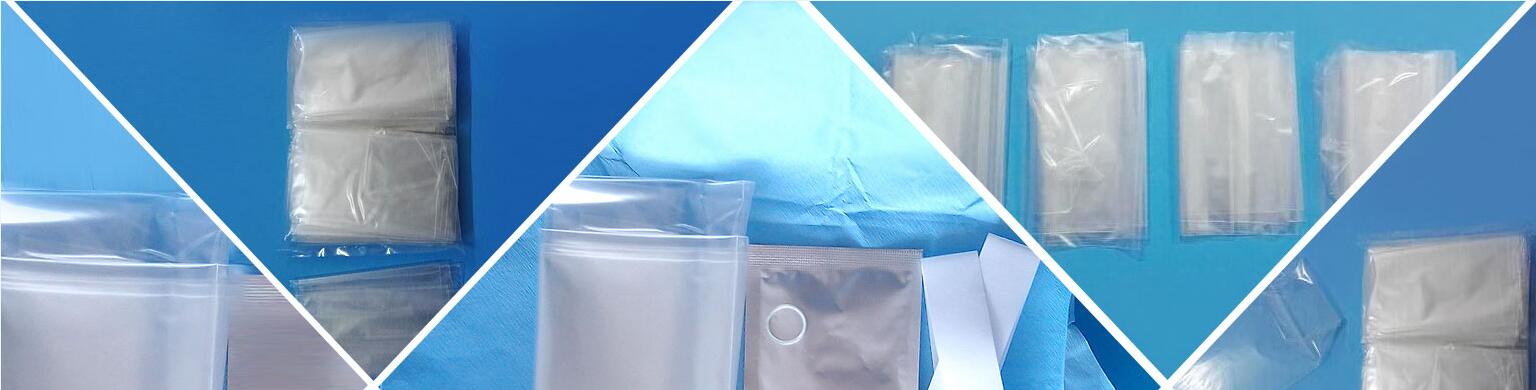
Linmed Medical specialty eye pads for post-cataract care include adhesive, non-adhesive, silicone, and shadow (light-occlusive) configurations. All products are sterile, individually packaged, CE certified, and manufactured under ISO 13485:2016 quality systems. Patient education materials available in multiple languages to support post-operative care instructions.