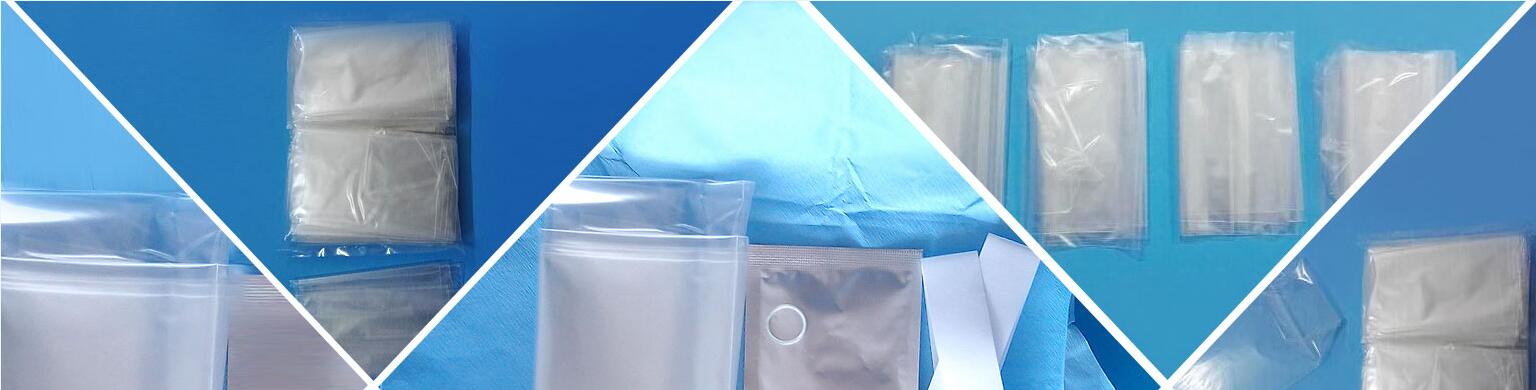
Surgical eye pads are specialized medical dressings designed for the unique anatomical and physiological requirements of the periocular region. Unlike general wound dressings, eye pads must accommodate the curvature of the orbital rim, the mobility of the eyelids, the sensitivity of periocular skin (0.05 mm — the thinnest epidermis on the body), and the functional requirements of monocular vision when the contralateral eye remains unpatched. This clinical guide synthesizes recommendations from the American Academy of Ophthalmology, Royal College of Ophthalmologists, and evidence from ophthalmic nursing literature.
Recommended: Adhesive eye pad or shadow pad for first 24 hours post-operatively.
Rationale: Cataract surgery involves a 2.2-2.75 mm clear corneal or scleral tunnel incision that is self-sealing but vulnerable to inadvertent pressure or rubbing in the immediate post-operative period. Eye pad provides mechanical protection, light occlusion (reduces photophobia from post-operative inflammation), and maintains eyelid closure to prevent corneal exposure.
Protocol: Pad applied in operating room after procedure. Removed at first post-operative day visit (approximately 24 hours). Transition to protective eye shield for sleep only for 1 week. Antibiotic/steroid drops initiated after pad removal.
Evidence: AAO Cataract in the Adult Eye Preferred Practice Pattern notes that routine eye padding after uncomplicated cataract surgery is standard practice, though evidence is primarily consensus-based. A 2019 RCT in Journal of Cataract & Refractive Surgery (n=320) found no significant difference in post-operative complications between padded and non-padded groups after uncomplicated phacoemulsification, suggesting that pad use may be individualized based on surgeon preference and patient factors.
Recommended: Adhesive eye pad with moderate sustained pressure per surgeon-specific protocol.
Rationale: Trabeculectomy creates a controlled fistula for aqueous humor drainage. Post-operative pad with pressure dressing helps maintain bleb formation, prevent excessive drainage (hypotony), and protect the surgical site.
Protocol: Surgeon-specific. Pressure dressing typically maintained 24-48 hours. Transition to eye shield at night for 1-2 weeks.
Recommended: Non-adhesive eye pad or eye shield — avoid direct pressure on the globe.
Rationale: Corneal grafts are vulnerable to mechanical displacement and compression. Pressure from adhesive pad may compromise graft adherence and increase IOP. Rigid eye shield provides protection without pressure. Non-adhesive pad secured with tape placed away from the orbital rim.
Protocol: Eye shield at all times (day and night) for first 1-2 weeks. Transition to shield at night only for 4-6 weeks. Position patient supine with head of bed elevated 30° for DMEK patients to facilitate graft adherence (air/gas bubble tamponade).
Recommended: Adhesive eye pad (may need two pads for bilateral surgery).
Rationale: Extraocular muscle surgery causes post-operative edema and discomfort. Eye pad provides comfort, reduces diplopia from temporarily altered ocular alignment, and protects conjunctival sutures.
Protocol: Pad(s) typically removed at first post-operative visit (24-48 hours). Antibiotic/steroid drops initiated. If bilateral surgery with bilateral patching, fall risk precautions essential.
Recommended: Non-adhesive pad or cold compress over closed lids.
Rationale: Periocular skin after lid surgery is edematous and sensitive. Adhesive directly on surgical skin is painful and may disrupt suture lines. Cold compress provides analgesia and reduces edema. Non-adhesive pad secured with tape placed on cheek and forehead — away from incision lines.
Protocol: Cold compress for 24-48 hours (20 min on, 20 min off while awake). Ophthalmic antibiotic ointment to suture lines. Suture removal at 5-7 days for skin sutures.
Linmed Medical surgical eye pads are manufactured under ISO 13485:2016 quality systems with CE certification. Products include adhesive, non-adhesive, silicone, and shadow variants in adult and pediatric sizes. Custom configurations available for institutional OEM requirements. Comprehensive technical documentation, biocompatibility reports, and clinical application guides provided with product shipments.