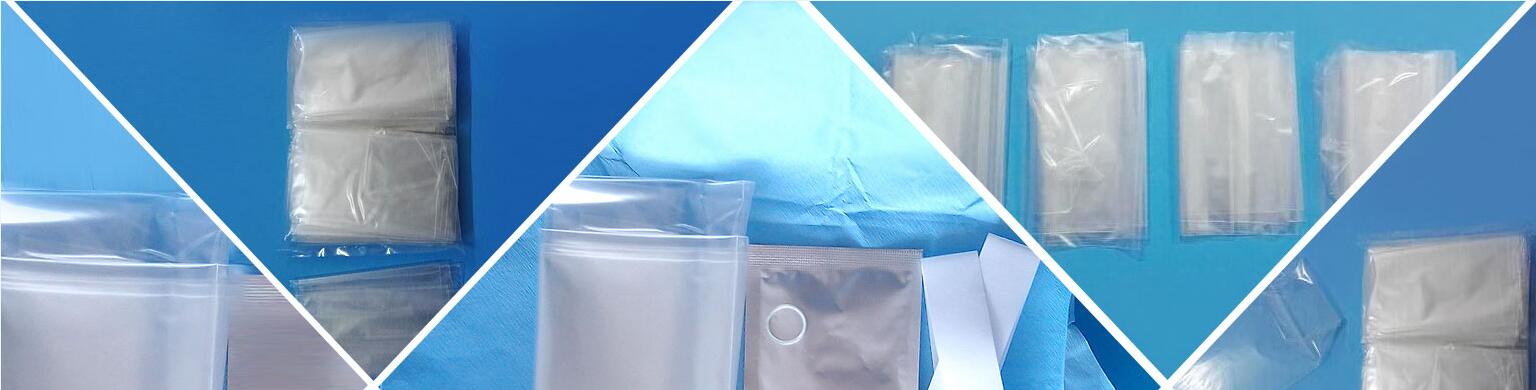
Surgical eye pads serve critical functions in ophthalmic post-operative care: (1) mechanical protection of the operative site from inadvertent trauma (eye rubbing, environmental contact), (2) absorption of post-operative lacrimation and minor wound exudate, (3) light occlusion to reduce photophobia and promote patient comfort, (4) maintenance of eyelid closure to prevent corneal exposure and drying, and (5) delivery of sustained pressure when indicated (e.g., post-trabeculectomy). The American Academy of Ophthalmology (AAO) Preferred Practice Patterns emphasize that appropriate eye pad selection and application technique directly affect surgical outcomes and patient satisfaction.
Design: Oval-shaped absorbent pad (cotton, viscose, or non-woven) with full-perimeter hypoallergenic adhesive border. Self-adhesive — no secondary tape required. Available in standard adult and pediatric sizes.
Clinical Applications: Routine post-cataract surgery (24-hour protection), post-intravitreal injection (2-4 hours), minor lid surgery, corneal abrasion management, and outpatient ophthalmic procedures.
Advantages: Rapid application (single product), secure adhesion without secondary fixation, ease of use for self-application by patients at home, standardized positioning with central pad alignment.
Limitations: Adhesive may irritate sensitive periocular skin with prolonged wear (>24 hours). Not suitable for patients with adhesive allergy. Removal can cause discomfort if not performed carefully.
Design: Oval or contoured absorbent pad without adhesive border. Secured with surgical tape or elastic eye bandage separately.
Clinical Applications: Extensive periocular surgery where adhesive directly on skin would be painful (blepharoplasty, orbital surgery), patients with documented tape/adhesive allergy, pediatric patients with sensitive skin, procedures requiring frequent pad changes.
Advantages: No direct adhesive contact with potentially edematous or surgically altered periocular skin. Allows customization of retention method — tape can be placed away from incision lines. Gentle removal with adhesive remover.
Limitations: Requires secondary fixation product (additional cost and time). Less standardized positioning — requires clinical skill for correct alignment. Multiple product components in sterile field.
Design: Premium eye pad with silicone adhesive border. Silicone adhesive achieves fixation through van der Waals forces rather than chemical bonding, reducing skin trauma.
Clinical Applications: Pediatric ophthalmic surgery (per AAP guidelines for atraumatic adhesives), elderly patients with fragile skin, patients requiring repeated pad changes, cosmetic/periocular plastic surgery.
Advantages: Atraumatic removal — 85-95% reduction in corneocyte removal compared to acrylic adhesives per published dermatological studies. Repositionable without loss of adhesion. Hypoallergenic — silicone is biologically inert with zero documented allergic reactions.
Limitations: Higher per-unit cost (2-3× acrylic adhesive pads). Lower initial adhesion strength — may be inadequate for highly mobile or non-compliant patients. Limited availability compared to standard adhesive pads.
Design: Eye pad with integrated opaque layer (aluminum, pigmented polymer) that completely blocks light transmission. Available with adhesive or non-adhesive borders.
Clinical Applications: Post-cataract surgery (light sensitivity management), corneal abrasion/erosion (photophobia relief), post-laser refractive surgery (PRK, LASIK enhancement), uveitis/iritis management, migraine-associated photophobia.
Advantages: Complete light occlusion — superior to standard eye pads for photophobia management. Enhances patient comfort in light-sensitive conditions. Promotes eyelid closure and corneal surface protection.
Limitations: Complete darkness may be disorienting for elderly patients (fall risk). Not suitable for monocular patients (eliminates vision in only seeing eye). Compliance challenges in pediatric patients.
Pediatric: Silicone adhesive pads preferred per AAP guidelines. Consider arm restraints (elbow immobilizers) for toddlers to prevent pad removal. Provide developmentally appropriate explanation to reduce anxiety. Parent/caregiver education essential for home care.
Geriatric: Assess fall risk — bilateral patching or complete light occlusion increases fall risk by 2-5× in elderly patients. Consider monocular padding only when clinically sufficient. Ensure call bell and assistance available for mobilization. Assess skin integrity — aged periocular skin is thin and sensitive to adhesive trauma.
Monocular Patients: Avoid patching the only seeing eye unless absolutely necessary — this renders the patient functionally blind. If patching is essential, ensure continuous supervision and fall prevention measures. Consider eye shield (transparent) rather than opaque pad when light occlusion is not required.
Linmed Medical manufactures a complete range of ophthalmic dressings including adhesive, non-adhesive, silicone, and shadow eye pads — CE certified, ISO 13485:2016 manufactured, with full biocompatibility testing. OEM and private labeling options available for institutional procurement.